With only weeks to go until the voter registration deadline for local elections on 7 May, anyone who wants to vote must make sure they are registered in time.
This is particularly important for anyone that’s moved in the last few months, or those who have just turned 18 – you need to make sure your details are up to date.
In North East Lincolnshire there will be 15 seats up for election, one in each ward. To have your say at this year’s local elections, you must be registered to vote before midnight on Monday 20 April. If you’re not already registered, you can apply online at gov.uk/register-to-vote- external site . It takes just five minutes.
Once registered, voters have a range of options – they can vote in person, by post or by appointing someone they trust to vote on their behalf, known as a proxy vote.
Voters going to a polling station will need to show photo ID. To find out which ID you can use in the polling station, visit the Electoral Commission website- external site . Most people already have valid photo ID and won’t need to take any action. If you do not have one of the accepted types of ID, you can apply for free ID at www.gov.uk/apply-for-photo-id-voter-authority-certificate- external site or by completing and submitting a paper form to your local authority.
Sharon Wroot, Electoral Registration Officer for North East Lincolnshire Council, said: “Don’t lose your chance to have your say at elections in May. Local elections are an important opportunity to have your say on who represents you and makes decisions about issues that directly affect day-to-day life here in North East Lincolnshire.
“If you’re in doubt about whether you need to register to vote, or have questions about how to apply for a postal or proxy vote, or free ID, you can contact our electoral services – visit www.nelincs.gov.uk/elections to find a range of ways to contact them.”
Niki Nixon, Director of Communications at the Electoral Commission, said: “It’s important that people check they’re ready to vote ahead of the upcoming local elections. All voters must be registered, and some may need to apply for a postal, proxy vote or free ID.
“If you’ve changed address or moved home since you last registered, it takes just five minutes to update your details online. Checking now helps make sure you can vote in a way that’s right for you.
“Voters will also need to show photo ID at polling stations this May. Anyone who does not have one of the accepted forms of photo ID can apply for free ID online or by submitting a paper form to their local council.”
PLANS for a new school on the site of former high-rise flats in Grimsby have been approved by Councillors.
North East Lincolnshire Council’s Cabinet met last night (Wednesday) to discuss proposals for a new free school following an alternative offer from the Department for Education.
As previously reported, the Department for Education, which originally allocated funding to the project in 2023 following a bid by the Council a year earlier, announced in December that it would offer Councils across the country the opportunity to spend the cash on other projects to improve education for children with additional needs.
Since then, North East Lincolnshire Council officers have had extensive discussions with partners and considered the options available, including investing further in resource specialist provisions similar to those unveiled recently at schools in Healing, Scartho and Waltham.
After much discussion at a Cabinet meeting at Grimsby Town Hall, Councillors voted unanimously to proceed with the plans for the school, aimed at supporting children with social and emotional mental health (SEMH) needs.
Councillor Margaret Cracknell, portfolio holder for children and education at North East Lincolnshire Council, said that Councillors had carefully considered the options available.
“We know how many families in our area and across the country struggle to find appropriate education settings to support their children, and our research has highlighted a need in this area in particular.
“In Cabinet, Councillors carefully considered the options available, and how the money could be invested alternatively, but ultimately we agreed that plans for a free school for children with social and emotional mental health challenges in North East Lincolnshire are the best way forward.”
Leader of North East Lincolnshire Council, Councillor Philip Jackson, added:
“That particular site near Freeman Street in Grimsby, has been empty for some time, and so this is not just an opportunity to support a group of children who will benefit from a new school, but also offers the possibility of prompting wider regeneration.
“A development like this one creates skilled jobs, and increases the number of people in that part of town thereby supporting local businesses.
“I’m pleased that my Cabinet colleagues agreed to support the proposals.”
Councillors previously pledged £1m of capital funding towards the project, though late last year a report from the environment agency revealed that the project would need a further £2.2-2.3-million for the project to reduce the risk of flooding.
The Council will now look to proceed with plans to build the new school.
*Cabinet members approved a recommendation from The Children Lifelong Learning Scrutiny Panel that the Director of Children’s Services in consultation with the Portfolio Holder for Children and Education be authorised to explore safeguards around exposure to risk of increasing costs and for the Children and Lifelong Learning Scrutiny Panel to retain oversight.
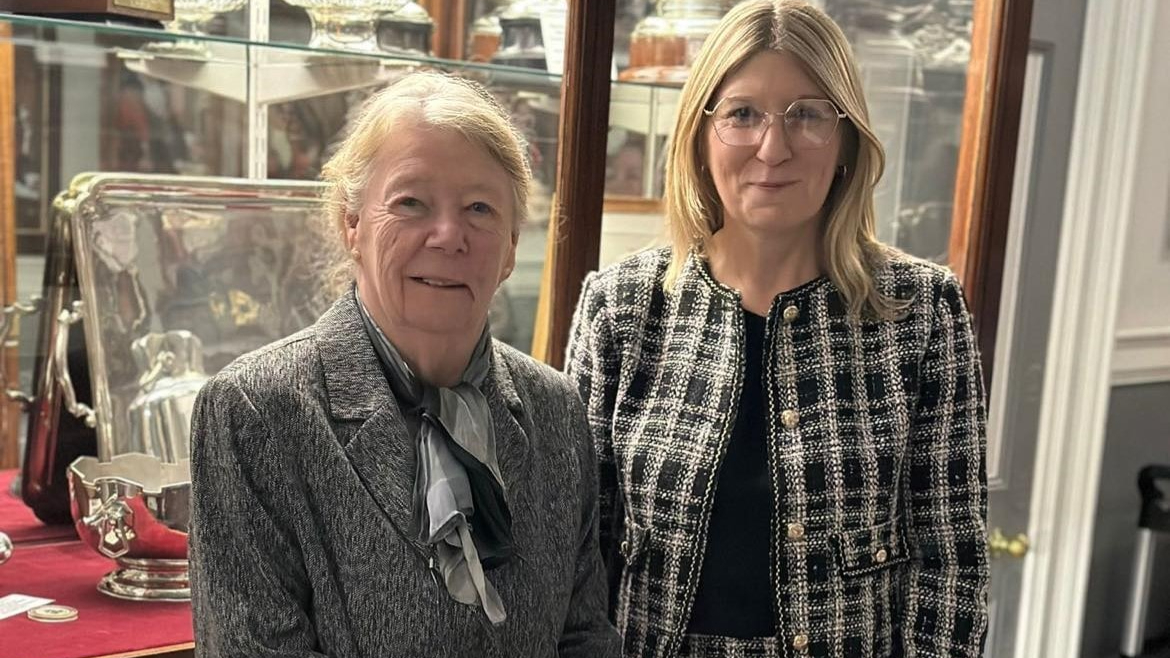
Above is a photo of (from left) Councillor Margaret Cracknell, portfolio holder for children and education at North East Lincolnshire Council, and Director of Children’s Services, Ann-Marie Matson.
Councillors have approved the next stage to help deliver the new Transport Hub in Grimsby town centre at the Cabinet meeting today (11 February).
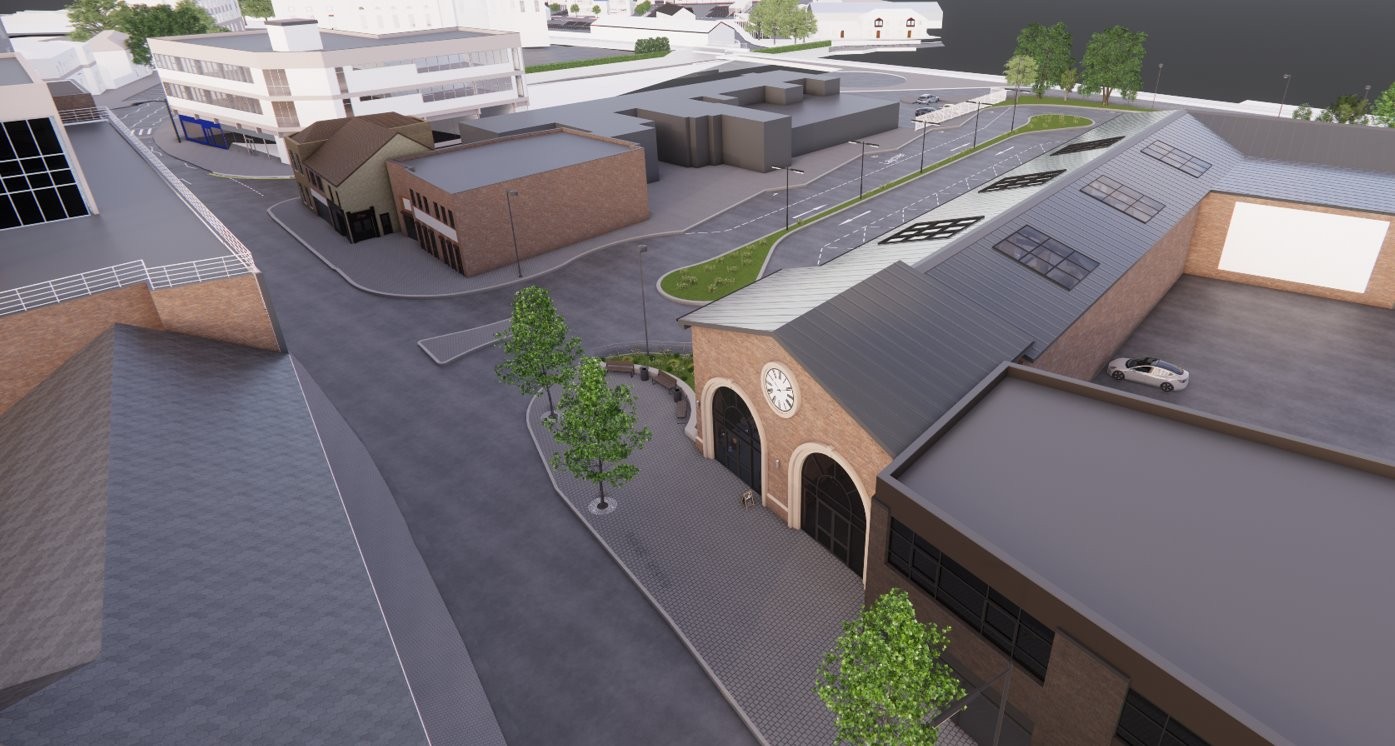
North East Lincolnshire Council (NELC) acquired a 0.65-hectare site on Osborne Street in Grimsby town centre with the ambition of developing a new Transport Hub. This site was demolished in 2025, in preparation for the development of the Transport Hub scheme.
Concept designs have been worked up as the first stage of design. Initial feasibility studies (RIBA stages 1 and 2) have already been completed, looking at things like the site conditions and constraints, initial stakeholder engagement with Stagecoach, the main bus operator, and community groups and early layout options.
The initial concepts were developed out to refine function, cost and risks, as well as developing 3D architectural design options and internal layouts, as well as doing further studies into things like drainage, and mechanical and electrical systems.
Consultation with stakeholders and the public so far has concentrated on the bus service improvements and the initial plans for the Transport Hub. The results of this suggest that priorities for the new hub should be improved waiting areas, safety and security, as well as accessibility and environmental considerations.
Following the go-ahead today, these plans and studies will now be worked up into more technical designs needed to create tenders for the work and bidding for further money to deliver the scheme in full.
Safety and security at the new facility will be paramount, with Secure by Design principles used to make sure it is a safe and secure environment. Other community safety partners including Violence Against Women and Girls (VAWG) representatives, and the Design Out Crime Officers (DOCO) will also be specifically consulted.
The Transport Hub scheme has been designed to be delivered in several phases, which can be built on as funding is secured.
Cllr Stewart Swinburn, Cabinet member for Transport, said: “We know we need to work to improve public transport links, walking and cycling routes, better air quality and, a reduction in CO2 emissions, promoting healthier lifestyle choices as part of our commitment to the Marmot principles. Delivery of this transport hub project would contribute towards this, and provide real options for people to access the town centre differently.”
North East Lincolnshire Council has secured two key grants to look at improving the frontage of the former House of Fraser building in Grimsby, including possibilities to restore it to its Edwardian Heritage, and to develop a programme of heritage activities focused around the history of the building.
The “Window to 1913: Restoring 9-29 Victoria Street, Grimsby” project, has been awarded a project development grant of £62,043 from The National Lottery Heritage Fund, and a £50,000 development grant from Historic England. This will fund a conservation architect and other heritage specialists to work with the Council to prepare key documentation (designs, cost schedule etc) that will form the basis for future funding bids to allow the improvement works, and programme of engagement activities, to be carried out in 2026 and 2027.
The Council bought the former House of Fraser buildings at 9-29 Victoria Street in December 2023, with a view to seeing them fully repaired, and brought back into use as part of wider town centre regeneration.
The long-term goal will be to consider future occupation by tenants, carry out conservation repairs to the building to make sure it is both watertight, and resilient to the impact of climate change, and look at the possibilities around replacing the current 1970s shopfront with one inspired by the Edwardian Guy & Smith shopfront of 1913 (*see history notes). Repairs will include items like roof, rainwater goods, structural repairs where necessary, and repairs to the brick courtyard to the rear of the building.
As part of the project, there will be a range of other activities relating to the heritage of the building, including an exhibition, and heritage skills activities to encourage community understanding of the space.
Cllr Philip Jackson, Leader of North East Lincolnshire Council, said: “When we bought these buildings, we were looking to the future of the town as a whole. These buildings form a major part of Victoria Street and we always wanted to make sure that these were fully repaired and brought back into use.
“As a Heritage Place, heritage-led regeneration is at the forefront of Council policy for Grimsby Town Centre, and it has always been the Council’s intention to secure support for the full conservation and repair of the building, and this is what we’re doing – to make it something we should be proud of.”
Helen Featherstone, Director, England, North at The National Lottery Heritage Fund said: “North East Lincolnshire Council have already done some fantastic work in highlighting some of the wonderful architectural heritage in Cleethorpes and we are delighted that we can support them to develop this project for the former of House of Fraser building in Grimsby.
“Working with the Council has allowed us to understand their long-term heritage ambitions for the area, and we know that when our investment is used to realise long-term visions it can have long-lasting benefits for local communities, visitors, and the economy. The area remains a priority for the Heritage Fund through our Heritage Places initiative, which will leave a legacy for all to enjoy.”
David Walsh, Principal Adviser – Partnerships for Historic England, said:
“We are delighted to support the council to help revitalise Victoria Street. The former House of Fraser buildings can tell a fascinating story about Grimsby and its people. The aim is to reinstate some wonderful shopfronts which, together with the new leisure and market development next door, will help give Grimsby the high quality street scene it deserves.”
History of the building
The following information has been drawn from the heritage statement for the properties produced by Donald Insall Associates.
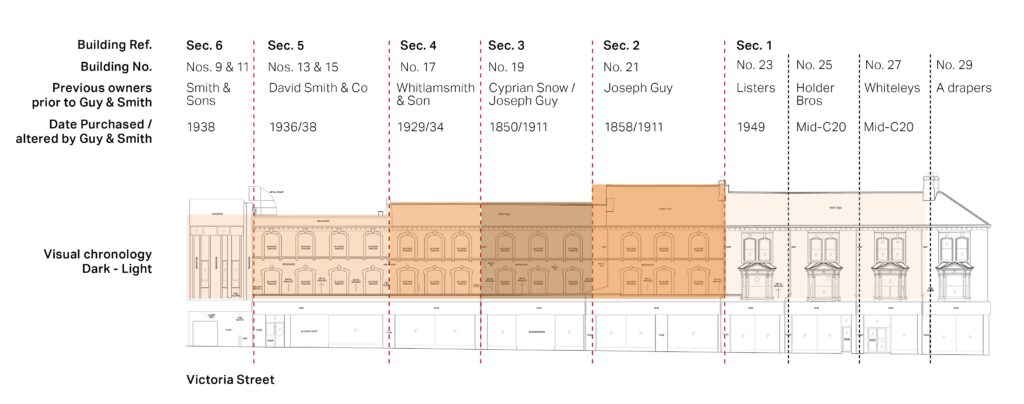
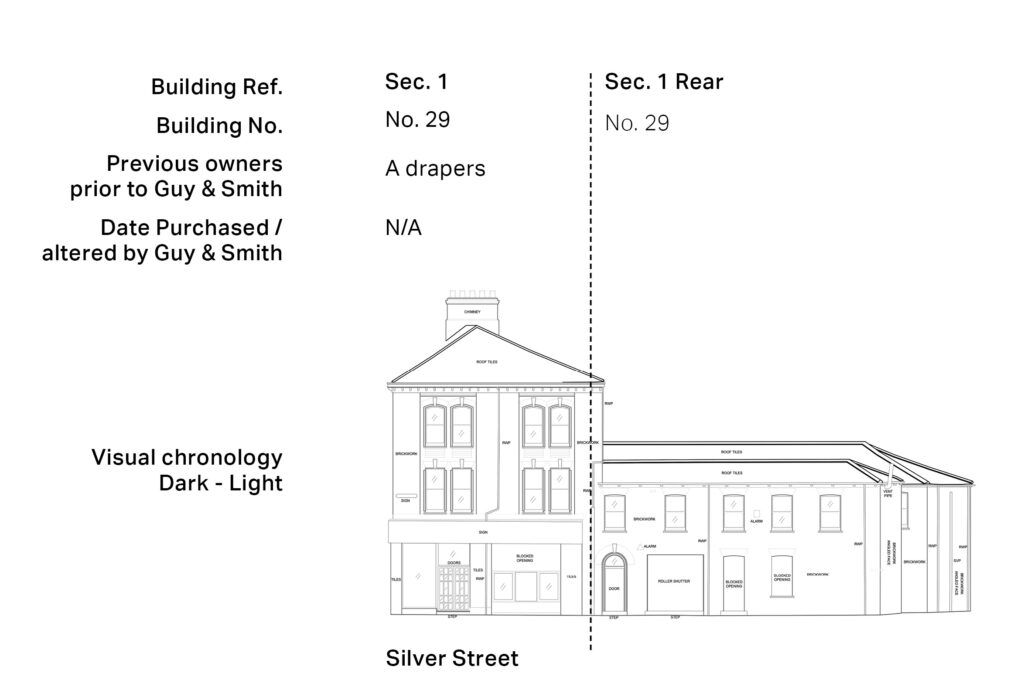
Historic Shopfront plan – Victoria StHistoric Shopfront Plan – Silver Street
Grimsby’s commercial core developed around a medieval street pattern, with Victoria Street (formerly Baxtergate and North St Mary’s Gate) forming the spine of the town. Victoria Street linked the Old Market Place with the former industrial and commercial areas around the Riverhead.
Who had stores in the buildings and what were they?
The site reflects over a century of department store culture and Grimsby’s commercial evolution.
In the early-mid 1800s Mr Cyprian Snow established a drapery shop in North St Mary’s Gate, now no.19 Victoria Street, in Grimsby. In 1850, he sold the business to Joseph Guy, who expanded and improved the shop at Victoria Street in 1858, describing the store as a silk mercers and general drapers.
Joseph Guy employed a young shop assistant by the name of Joseph Smith, who later married Guy’s daughter. Guy went into partnership with his now son-in-law, Joseph Smith, with the business known as Guy & Smith by 1871 (building nos.19-21). Following Joseph Guy’s death, the store continued to prosper under Joseph Smith’s management.
According to the Post Office Directory of 1880, the occupants of the buildings (residential and business) that became House of Fraser were:
9-13: George Smith & Sons, drapers & silk merchants.
15: John Anson, grocer & provision dealer.
17: William Whitlamsmith & Son, ironmongers & hardware merchants – the shop was known as “The Dial”. Some of the shop’s bestselling lines were paraffin lamps, hip baths and mangles!
19: Guy & Smith, drapers & silk merchants.
21: Mrs Mahala Hodgkinson, coffee house. Listed in the 1881 Census as “Hotel Keeper”.
23: Thomas Dutton, tobacconist.
25: Mrs Diana Lister. Listed in the 1881 Census as “Retired China Dealer’s Wife”.
27: William Lister, glass and china dealer.
28: Cook & Sons, auctioneers, valuers and appraisers.
By 1888, there was a tramway running down Victoria Street, with a stop straight outside the store bringing customers straight to the doorway.
Roll forward 16 years from the Post Office directory, and along with Guy & Smith drapers, we see Whitlamsmith & Son still at no.17), David Smith & Co at nos. 13 & 15 (who were house furnishers, gentleman’s tailors, funeral undertakers and makers of bags and trunks), and Smith & Sons at nos.9 & 11 to the west. To the east were Listers, a glass and china dealer, and Holder Bros, (piano and organ store) at no. 23 and 25 respectively.
In 1911, Guy & Smith began a series of expansions which would transform the business into a huge department store across several properties.
A 1913 catalogue describes how the shop was selling a vast array of products, including fabric, hats, household goods, underwear and dresses. Departments included costume and dress goods, millinery, silks, children’s outfitters and furnishings. In this period, the business was employing as many as 70 skilled dressmakers.
In 1934, Guy & Smith expanded their store westwards, into no.17, follow purchase of the Whitlamsmith & Son property in 1929. In 1936, the store again expanded westwards, into nos.13 & 15, which was formerly a store owned by David Smith & Co Ltd. Finally, in 1938, Guy & Smith expanded into the former Messrs Smith & Sons at nos. 9 & 11.
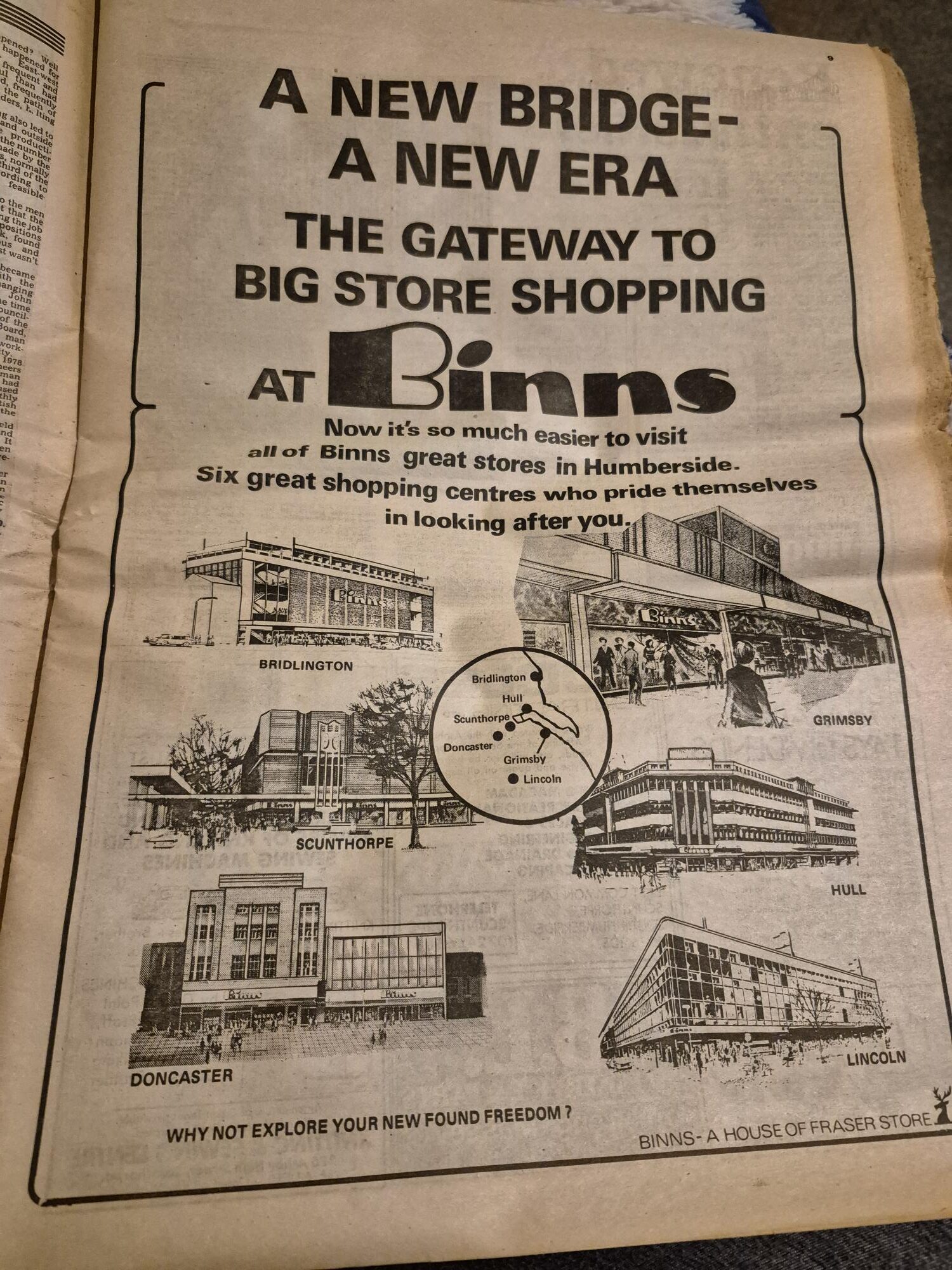
In 1969, the store finally ceased to be an independent company when it merged with the House of Fraser, and the name of Guy & Smith disappeared from Victoria Street. The following year, the business was renamed Binns and in 1971 the store was completely rebuilt, with 100,000 square foot of floorspace.
Binns remained a popular department store throughout the late 20th century. In 1985, House of Fraser invested £3.25 million in the Grimsby Binns store.
In the early 2000s, Binns was rebranded as House of Fraser and in 2020, the Grimsby House of Fraser closed down, following a national buy-out in 2018, leaving the premises vacant.
COUNCILLORS are to consider proposals to build a new school on the site of former high-rise flats in Grimsby.
The Department for Education, which originally allocated funding to the project in 2023 following a bid by the Council a year earlier, announced in December that it would offer Councils across the country the opportunity to spend the cash on other projects to improve education for children with additional needs.
Since then, North East Lincolnshire Council officers have had extensive discussions with partners and considered the options available, including investing further in resource specialist provisions similar to those unveiled recently at schools in Healing, Scartho and Waltham.
Now, members of the Council’s Cabinet are set to consider recommendations to proceed as planned with the free school for children with social and emotional mental health (SEMH) needs.
The report, which will be discussed at a meeting of the Council’s Cabinet on Wednesday 11 February 2026, highlights the benefits that the proposed school would bring to an area in need of regeneration.
The proposed site, which once housed the high-rise flats in Grimsby, is now vacant. It’s thought that this development could bring a new purpose to a vacant brownfield site and act as a catalyst for community renewal.
Councillors previously pledged £1m of capital funding towards the project, though late last year a report from the environment agency revealed that the project would need a further £2.2-2.3-million for the project to reduce the risk of flooding.
The Cabinet report adds that the Council is likely to make annual savings from children not having to travel out of the area for their education.
The Council’s Cabinet will consider the proposals at a meeting at Grimsby Town Hall on Wednesday 11 February 2026. To read the Cabinet papers in full, visit: 13.-SEMH-Free-School-Decision-Cabinet-Report.pdf.
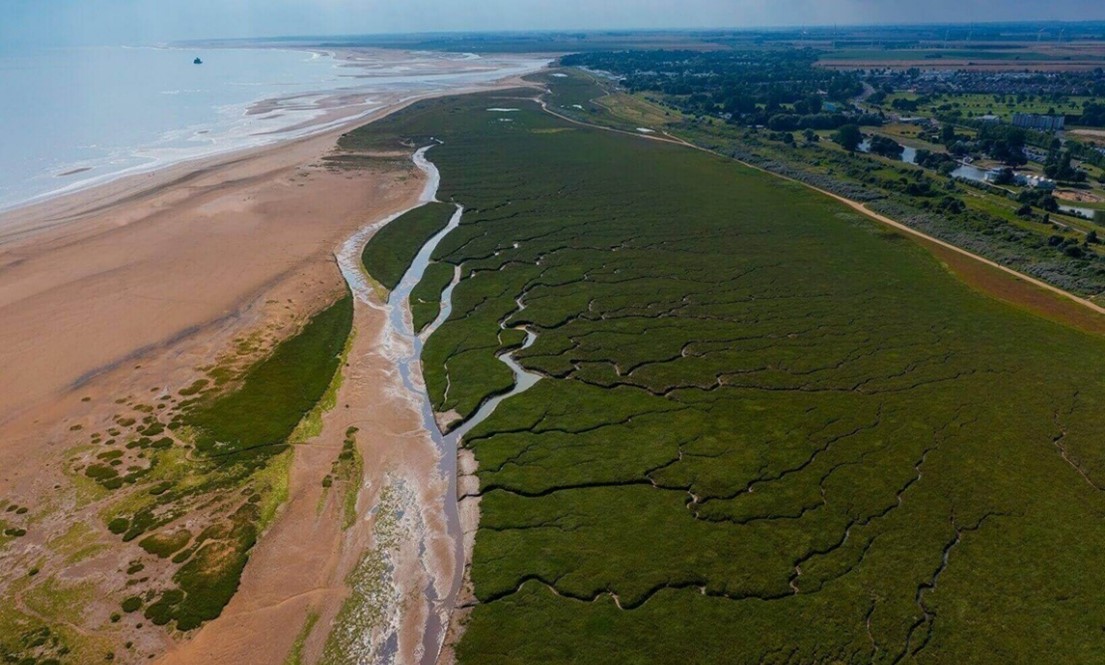
If you care about North East Lincolnshire’s internationally important coastlands, dunes, saltmarsh, grasslands and ancient woodlands then now is the time to tell us.
From now until March 8 2026, local councils in Lincolnshire are consulting with the public on a Local Nature Recovery Strategy (LNRS).
North East Lincolnshire Council is working with Lincolnshire County Council, North Lincolnshire Council and the Greater Lincolnshire Nature Partnership, with support and guidance from Natural England.
We have engaged with a wide range of stakeholders including members of the public to develop the draft LNRS, and this is now ready to be shared wider. Your responses will help inform the new LNRS for Greater Lincolnshire.
Why do we need a Local Nature Recovery Strategy (LNRS)?
Greater Lincolnshire is home to a variety of nationally important landscapes and associated habitats which all support a wide range of species. Sadly, our natural areas have been in decline over the last century, with many areas of habitat depleted and native species under threat or already lost.
Action needs to be taken, not only to protect what is still present, but also for the recovery of what we have lost. We need to provide more space for nature and ensure it’s ‘’bigger, better and more joined up’’, so that our precious habitats and species are there for future generations to enjoy.
A Local Nature Recovery Strategy is a legally required plan designed to guide action for nature recovery. They were introduced by the Environment Act 2021 to help achieve the targets set out in the Government’s Environmental Improvement Plan, build the Nature Recovery network and improve nature locally for the benefit of wildlife and people.
If you wish to find out more, you can join our online sessions to get a clear overview of what’s in the draft strategy and ask questions directly to the project team.
Open to all stakeholders, the sessions require no preparation, with dates, times and Microsoft Teams links provided – just drop in, and contact us at the project email if you need anything further.
Learn about our draft plans, maps, and how your feedback will make a difference at any of these sessions:
Government has today launched its public consultation on reorganising councils across Greater Lincolnshire.
Running until Thursday 26 March the consultation gives everyone the opportunity to have their say on proposals submitted to government. These were created by the existing councils across the county and outline different ideas for the future shape and size of councils.
Once the consultation is complete, Government will further assess the options before making a final decision on what will be taken forward.
All the Lincolnshire councils, along with neighbouring local authorities, will be directly asked for their views on all the proposals, along with public service and health providers, the police and business, voluntary and community sector and education bodies.
Government also welcomes responses from residents, town and parish councils, and other businesses and organisations.
As reported, North East Lincolnshire Council submitted its proposal, along with its neighbouring unitary authority of North Lincolnshire, and Lincolnshire County Council. Other submissions came from the district councils across the county.
Government announced its plans for LGR last year, saying it wanted to reform how local government operates to ensure resilience, robustness and efficiency in providing services for people.
Currently in Greater Lincolnshire there is a mix of district councils, a county council, and the two unitary councils of North and North East Lincolnshire. All were asked to present their preferred options for a way forward.
The government believes unitary councils can lead to better outcomes for residents, save significant money which can be reinvested in public services, and improve accountability with greater clarity over responsibilities.
This was outlined in a White Paper released last year, which announced that the government would facilitate this programme of Local Government Reorganisation (LGR) for two-tier areas, and where appropriate, existing smaller unitary councils.
Work to Cleethorpes’ Pier Gardens will start next week, after a successful tender award.
National organisation, Maylim, who pride themselves on creating award-winning landscaping projects for nature and communities to thrive, have won the bid to deliver the £7.9m contract.
Maylim is a landscape contractor specialising in both hard and soft landscaping, paving, highways and civil engineering.
Previous projects undertaken by the company have included several landscaping projects in London as well as regeneration projects in other cities.
Tom Taylor, Project Lead from Maylim, said: “We are really pleased to have secured this project and make the space something for people to be proud of.
“When I first saw the plans, I could really see this was a project which was designed to bring the community together, and make them a beautiful space that people will want to spend time in.
“We’re looking forward to working with the community through local employment and businesses opportunities, along with a series of events to engage the whole community.”
Cllr Philip Jackson, Leader of North East Lincolnshire Council, said: “Landscaping changes over the years – just look at previous formal gardens in stately homes that were designed centuries ago. That’s essentially what Pier Gardens used to be when the railway first came to town. It’s time for us to change this and make them fit for the future, and I’m looking forward to seeing this project on the ground in the coming weeks.”
Public might see activity on the site and surrounding areas from Monday 9 February and the gardens will be closed to the public from Tuesday 10 February.
Fencing will be installed around the gardens, the pathways leading to them from Central Prom, and also a small area of pavement on Alexandra Road to allow the contractors to take over the site area and create a vehicle delivery access route into the gardens, approximately opposite the end of Dolphin Street.
Work on the Pier Gardens project will take approximately 15 months to complete, and the site will be closed for the duration of the project.
The project is one of three projects being funded by HM Government in Cleethorpes, the others being the Sea Road development and Market Place. Overall, grant funding of £18.4m was secured for these three projects.
History
Before the work starts, let’s have a look at the history of the Gardens!
During the 1500s the economy of Cleethorpes mainly comprised fishing and mixed arable farming, but by the 1700s, the town was gaining a reputation as a seaside resort, popular with the wealthy for the newly fashionable health reasons of “taking the waters”. Indeed, the original building on the Dolphin site, the Cleethorpes Hotel was opened around 1760!
Wind forward to 1842, and an “Inclosure Act” issued by Parliament set aside 2.5 acres of seafront for public recreation. This is the land we know as Pier Gardens.
The railway arrived in Cleethorpes in 1863, run by the Manchester, Sheffield and Lincolnshire Railway company (MSLR).
By the 1870s, the local Council of the time had to look at the security of the town – the cliff edge was being eroded badly by high tides. A plan was pulled together to reinforce the sea walls with substantial promenades, but as ever, this was a financial challenge for the local area, so the railway company was approached for help! In 1881, the MSLR was given approval to spend around £30,000 (around £3.2million in modern money, according to the Bank of England) to build two promenades, stabilise the cliff and landscape the top of the cliff into public gardens.
According to the Watkin Society, the gardens contained: “mock castle, a camera obscura, pavilion tearoom, tennis courts, photography booth, a resident phrenologist, winding walks, ornamental gardens and a very popular bowling green. The castle [Ross Castle, named after Edward Ross, the Secretary of the MSLR at the time] had a Gothic appearance and was built to the previous height of the cliff at that point. A path ingeniously spiralled upwards and around the circular castle to the top with some seats in niches for the weary. From the top of the castle extensive views of the Humber Mouth could be enjoyed.
“A conservatory, built in the gardens, supplied the plants for the flower beds. Outside the gardens to the south, a flight of steps allowed access to the promenade from High Cliff. The gardens were much admired, and trade directories mention how elegant and salubrious a bathing place it had become. The gardens with their plentiful seats and paths winding past rhododendrons delighted visitors. The MSLR are believed to have spent £100,000 eventually but the instincts of Watkin to invest heavily in the town were correct and it paid dividends.”
“A smiling garden, artistically laid out with due regard to the natural undulations of the ground. The jagged and dangerous edge of the old cliff has given place to the grassy slopes with rustic and picturesque paths down to the lower grounds and promenade” 1883 – Grimsby Observer – Reference to The Pleasure Grounds aka Pier Gardens
Cliff Gardens were officially opened in 1885 by HRH Prince Albert Victor Christian Edward of Wales KG, the eldest son of the then Prince of Wales and Princess Alexandra.
The opening spectacle included a display of flags of many countries along the prom, and a pavilion and stage inside the gardens. There was an archway constructed of Norwegian Ice too! There were bands playing, and the Royal Standard was flown high from Ross Castle.
The Gardens were a “pay to enter” facility for many years, but this was removed in in 1939, and they were the free for everyone to use, and have been since.
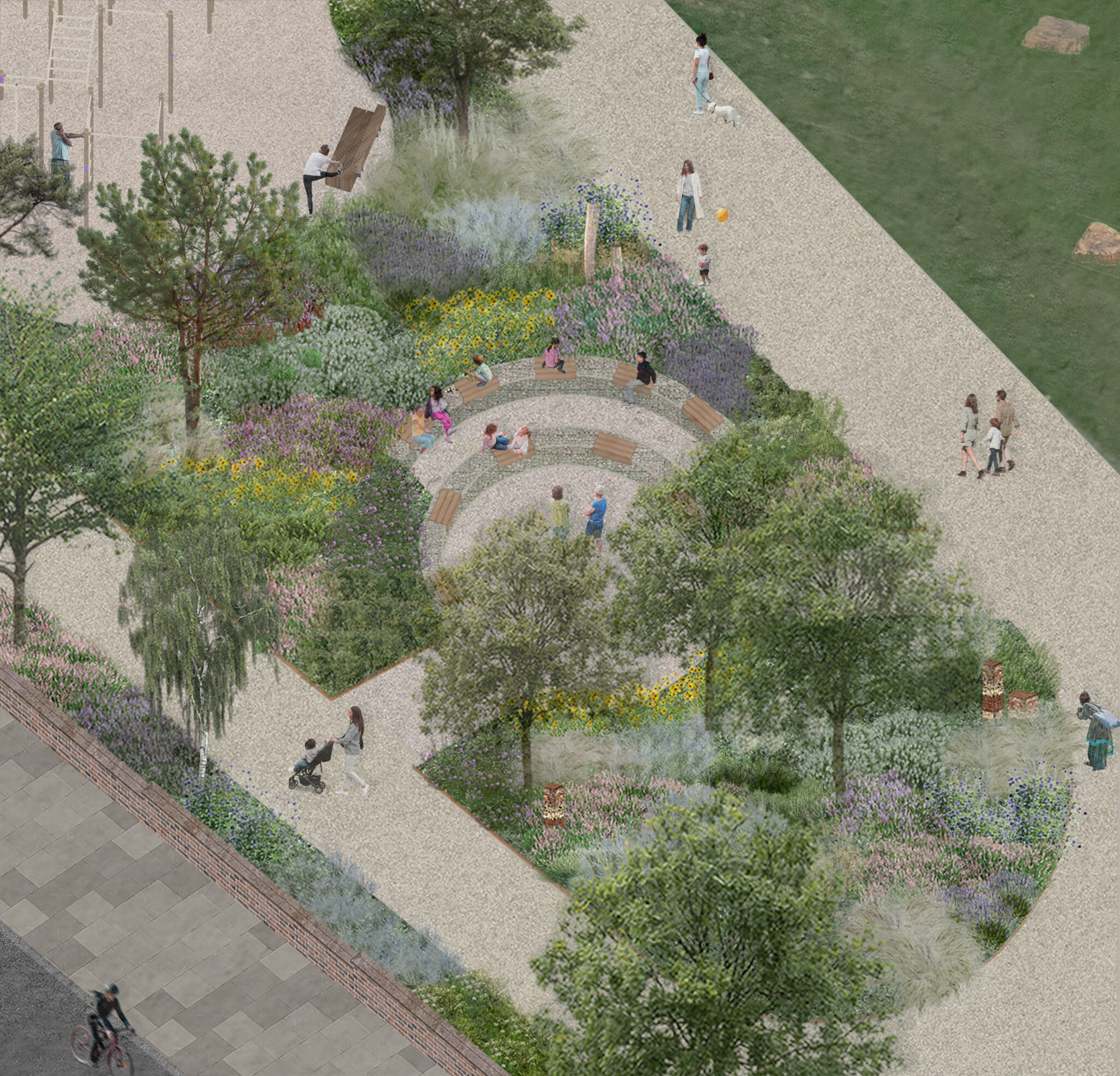
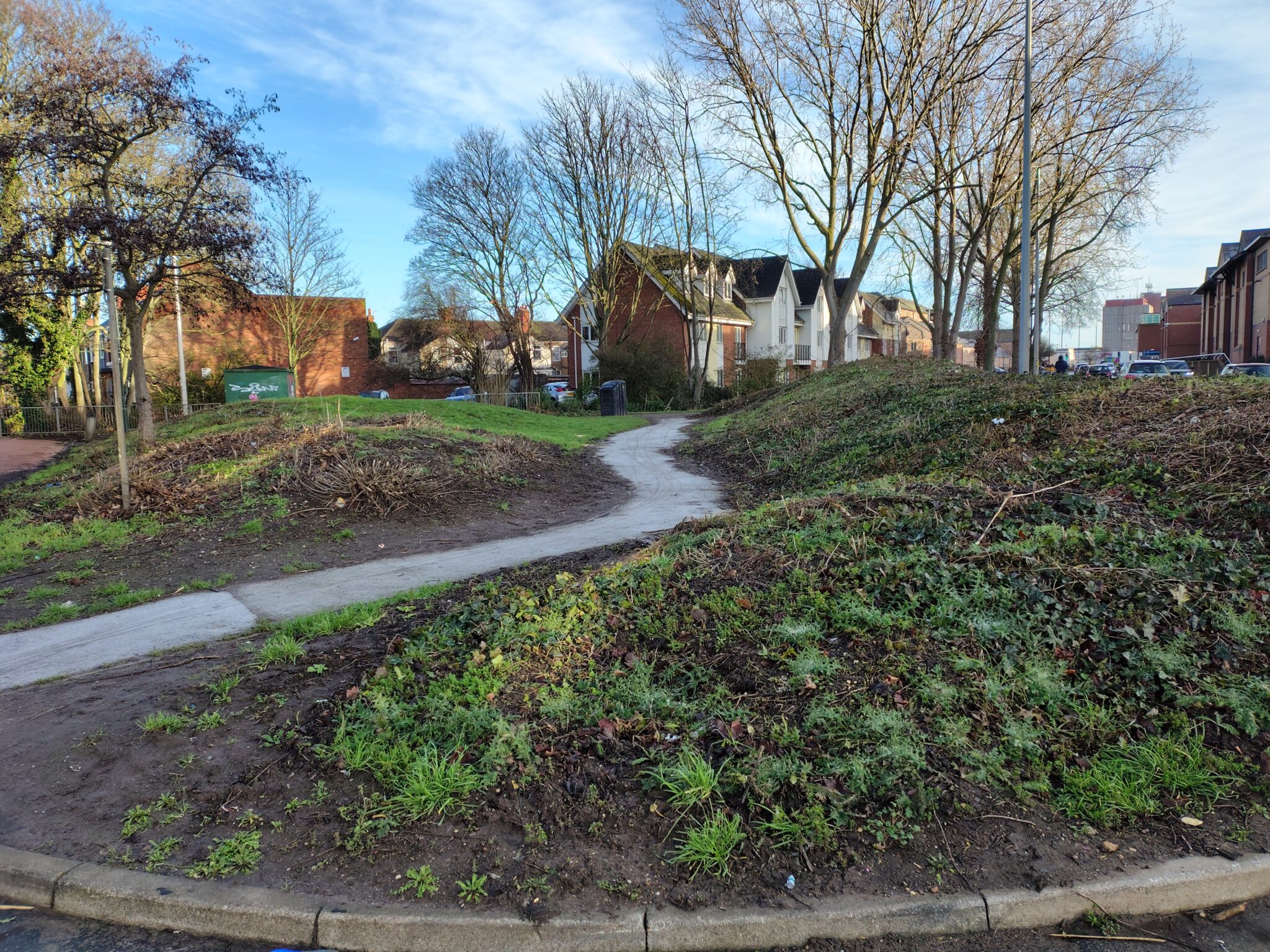
North East Lincolnshire Council is set to begin a programme of public realm improvements to the triangle piece of land between New Cartergate and Frederick Ward Way in Grimsby. It will transform an overgrown and underused space in the heart of the town into a safer, more welcoming area for residents and visitors to utilise.
The improvements will create a more open and accessible space, with low-level planting that is easy to maintain, new seating, a ground-level maze, improved lighting, CCTV, and upgraded footpaths. These changes will make walking routes to the town centre easier and safer, including journeys to and from South Parade School and the new Horizon Youth Zone.
As part of the project, some nearby pedestrian crossing points will also be improved to support safer movement around the area.
When will the work will take place?
Works are due to start on Monday 2 February and are expected to last approximately 10 weeks. Works will take place Monday to Friday, between 7.30am and 6pm, and will be delivered in two phases.
Phase 1: Land between New Cartergate and Frederick Ward Way
The first phase will focus on the main public space and will include new paving, public seating, street furniture, soft landscaping, a ground-level maze and CCTV installation.
To allow contractors to work safely, the five parking bays on the east side of New Cartergate will be temporarily suspended. However, vehicle access for residents and businesses will be maintained at all times, along with access to the seven parking bays on the west side of New Cartergate and the footpath to the bridge over the River Freshney.
Phase 2: Tactile crossing improvements
The second phase will take place during the school holidays, from Monday 16 February to Friday 20 February, and will involve the installation and realignment of four tactile pedestrian crossings at the corners of Lord Street and Cartergate.
Temporary traffic signals will be in place between 9am and 3pm, with works carried out on one crossing at a time to ensure pedestrian access is maintained. Four nearby parking bays between Lord Street and Crescent Street will be temporarily suspended to help reduce congestion. Emergency vehicle access will be maintained throughout.
The council and contractor Specialist Surfacing Ltd would like to apologise in advance for any inconvenience and assure that the work will be completed as quickly and safely as possible.