Yearly Archive 26 January 2026

Have your say on Public Space Protection Order being introduced for nuisance vehicles

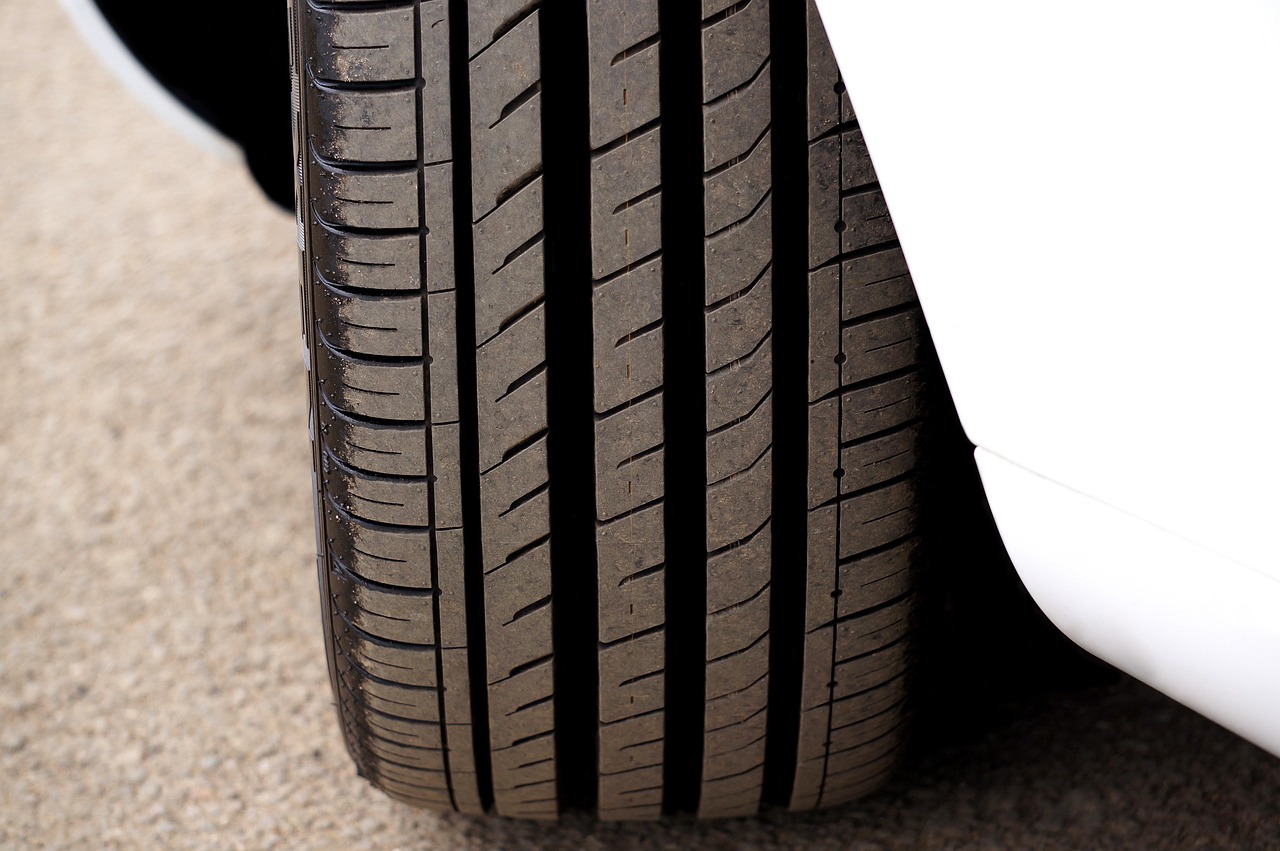
Residents are being asked to have their say on a Public Space Protection Order (PSPO) being introduced to tackle the issue of nuisance vehicles.

The order would give Humberside Police and the Council’s ASB officers more powers to effectively minimise these issues and deal with those responsible.

PSPOs are intended to deal with persistent Anti-Social Behaviour in a local area that is detrimental to the community’s quality of life.

They do so by imposing conditions on the use of that area to ensure everyone can use and enjoy public spaces without experiencing nuisance and annoyance.

The Council introduced PSPOs to parts of North East Lincolnshire in July 2019 to target anti-social behaviour and irresponsible dog ownership. Now, residents are being asked for their thoughts on the introduction of a new PSPO in North East Lincolnshire.

The consultation comes following calls from residents for more to be done regarding car relates Anti-Social Behaviour.

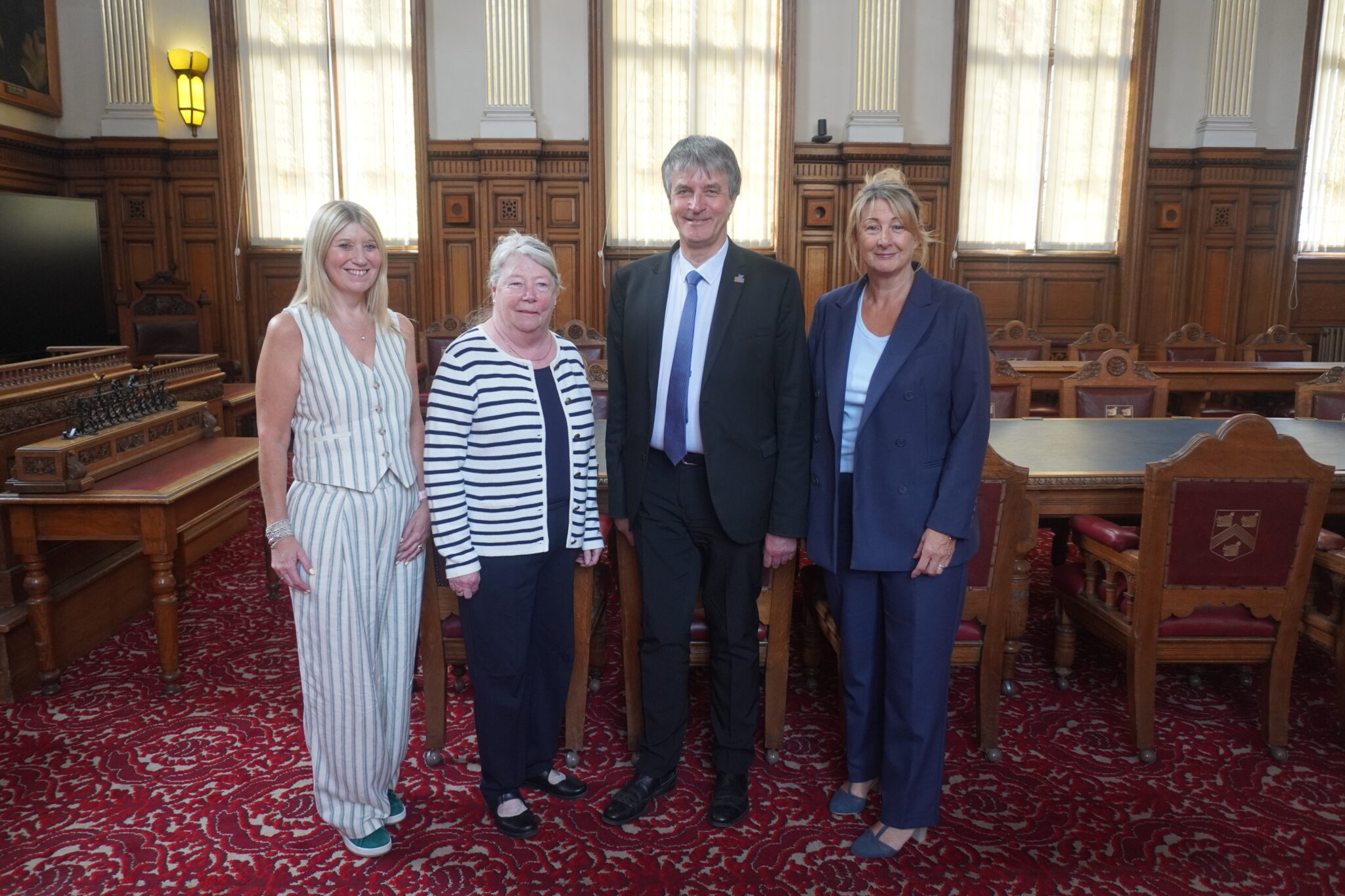
Councillor Ron Shepherd, Portfolio Holder for Safer and Stronger Communities, said: “The Council hopes the introduction of a PSPO for Anti-Social Behaviour could make the borough a safer and more welcoming place for residents and visitors.

“However, we want to hear the views of as many people as possible and encourage those who have a view to take part in the consultation to make sure their voice is heard.”

Neighbourhood Policing Inspector, Claire Jacobs, added: ‘’We remain committed to working closely with our partners and the community to tackle concerns around anti-social behaviour. Public Space Protection Orders are one of several tools that can help create safer and more welcoming public spaces. We will continue to support efforts that address these concerns.”

If you would like to know more about PSPOs then please visit this page Public Space Protection Orders (PSPO) | NELC.

This consultation will close on Monday, 9 March. To answer the survey and leave your thoughts, please visit https://tell-us.questionpro.eu/PSPO-Vehicles- external site 

Additionally, the Council are looking for resident’s views on the introduction of PSPOs on Kennedy Way in Immingham. This consultation ends on February 13, 2026. To give your thoughts on this matter, please visit https://tell-us.questionpro.eu/PSPO- external site 

Article and image from NELC.
North East Lincolnshire recycled 24,000 tonnes of cardboard and plastic in 2025

North East Lincolnshire residents have recycled 24,050 tonnes of plastic, cans, cardboard, paper and glass in just one year.

This is almost 4,000 tonnes more than last year and weighs the same as around 8 million bricks!

Throughout 2025, bottles, cans, glass, cardboard and paper were recycled in the blue and grey bins. From empty bottles at New Year’s Eve parties to the mayhem of wrapping paper at Christmas, everything adds up.

Additionally, 42,000 tonnes of waste was collected in the green bins throughout the year – the same weight as around 400 Blue Whales.

What goes in your bins

North East Lincolnshire Council have three bins to separate waste:

  • Green bin – this bin is mainly used for household waste and any other non-recyclable materials
  • Grey bin – this is used for recyclable material like plastic and glass bottles as well as cans and empty aerosols
  • Blue bin – paper and cardboard along with shredded paper or magazines are deposited in the blue bin

Is the right thing going in your bin?

Sometimes it can be confusing what goes in which bin. Here are some common items that are put in the wrong bin and where they need to go:

  • Tetra-pak – often these are placed in the blue bin, but should be put in the green bin
  • Used pizza boxes – these should be placed in the green bin. Any material contaminated with food cannot be recycled and must be disposed of in the green bin
  • Plastic bags – These can’t be recycled in the grey bin and should be placed in the green bin

For help understanding what goes where, visit What goes in your bins and recycling | NELC

The journey of your waste

North East Lincolnshire Council is proud to say none of its waste goes to landfill and if you’ve ever wondered how, look no further.

Recycling

Mixed glass bottles and jars, aluminium food and drink cans, and plastic recycling from the grey bins and the community recycling centres go to Bespoke Recycling Solutions. Here, they are sorted and sent to different destinations around the UK to be recycled and made into new items.

Paper and cardboard are sent to Palm Paper Limited- external site – external site  where they are recycled and made into newsprint and cardboard.

Household domestic rubbish

The rubbish collected in your green household waste bin is delivered to NEWLINCS Development Limited and they’re responsible for its treatment and disposal at their Energy from Waste facility.

This rubbish is burnt in a combustor (aka a large oven), which releases scrap metal that are both recycled. Heat from the combustor heats the water in a boiler. The hot, high-pressured steam from the boiling water drives a turbine to generate electricity. The heat and electricity are used in the facility itself and the nearby factories.

NEWLINCS are also responsible for managing the collected household recycling that is delivered to them and stored at their site, before being moved on to recycling facilities listed above.

In addition, they operate and manage the Recycling Centres (the tips) based in Grimsby and Immingham.

If you have excess waste or larger products that won’t fit in your bin, the tips at Grimsby and Immingham are open from 8am to 6pm every day except Christmas Day, Boxing Day and New Year’s Day. For more information visit Recycling centres (the tip) | NELC.

Alternatively, you can arrange for North East Lincolnshire Council to come and collect up to 10 unwanted household items with the Bulky Waste collection service. For more information on the service, visit Bulky waste collections | NELC

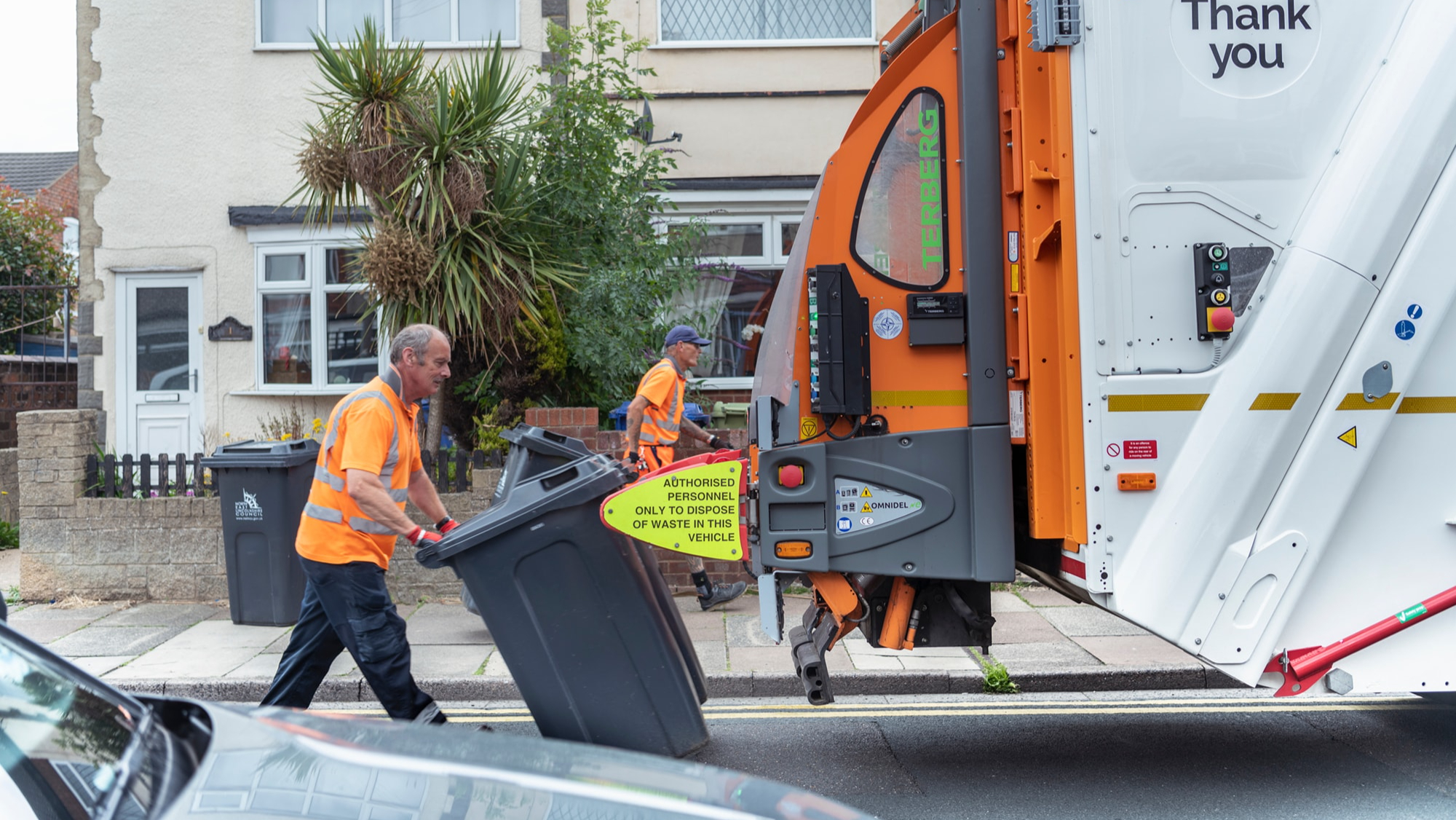
Councillor Henry Hudson, Portfolio Holder for Environment and Net Zero, said: “It’s great to see all the hard work our bin crews are putting in throughout the year. They are a crucial part of what is one of the most important services in the Council.

“Thank you to the residents as well for taking the time and care to separate their waste into the correct bins to ensure we are recycling as much as possible across the borough.”

Article and image from NELC.

Abbey Walk Car park – an update on the Gosney artwork

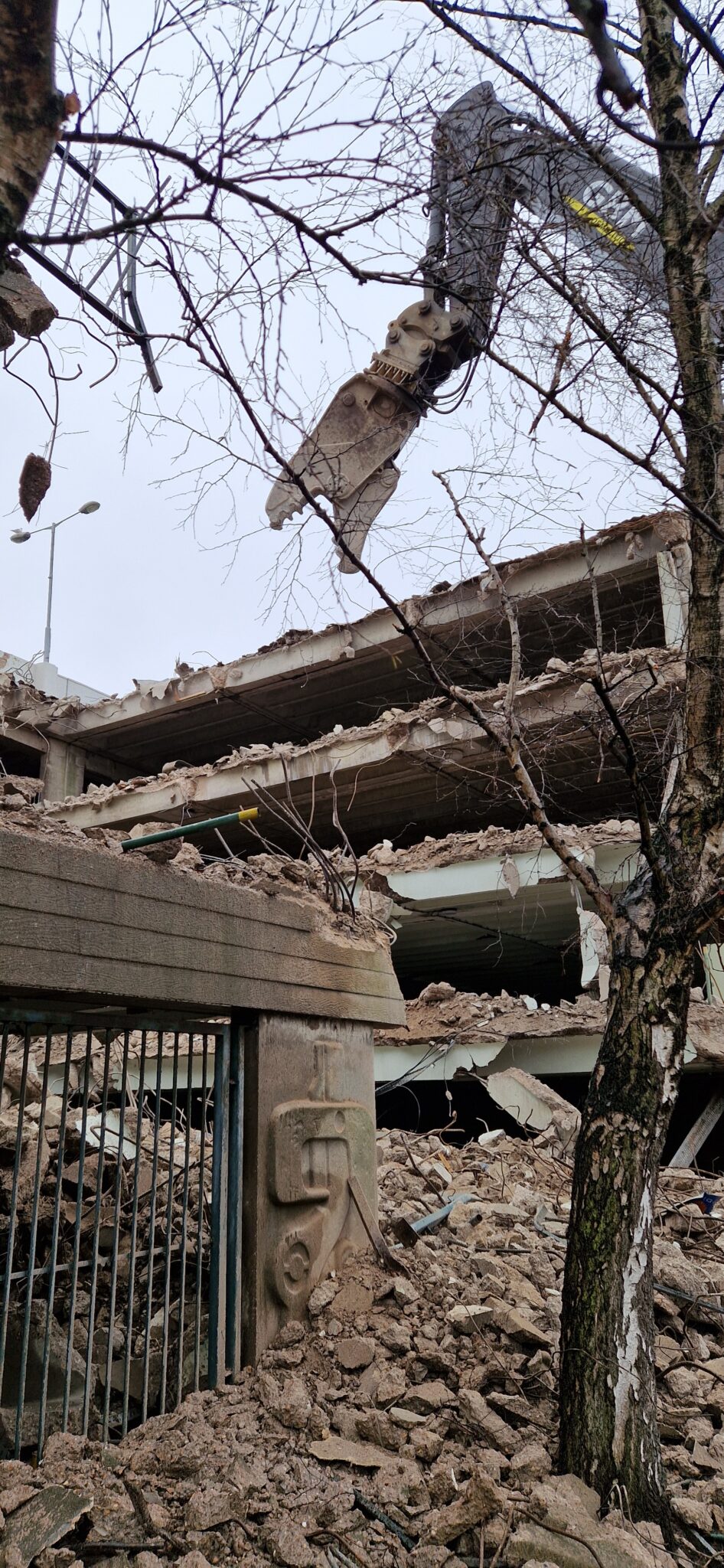
The Council can today (21 January) confirm that plans have been put in place to attempt to save one of each of the Gosney sculptural panels from Abbey Walk car park as part of the demolition contract.

This builds on the commitment to preserve a copy of each of the artworks made last year when 3D models of each of the sculptures were taken, guaranteeing digital preservation. These 3D images can be used to recreate the sculptures in the future and are incredibly detailed, even showing some of the chisel marks made by the artist.

As part of the tender to demolish the car park issued last year, the Council included that the successful company should make “reasonable efforts” to safely remove four unique relief panels.

Since the start of the year, GBM have been on site demolishing Abbey Walk car park and have been assessing how one of each of the artworks on the columns of the structure could potentially be saved.

GBM confirmed that the sculptures were, as Harold Gosney remembered last year, cast in situ with metal bars running through them, making them integral to the structure of the car park.

GBM provided an update to the Council yesterday, outlining the findings so far, and a method to remove a copy of each of the four panels.

Councillors have agreed to proceed with the works to attempt removal of identified panels.

Cllr Stewart Swinburn, Cabinet member for highways, said: “We have always said that we would look to save one of each of the sculptures, if we can.

“The sculptures are between one and two tonnes each, so manual removal is not an option – removal will have to be attempted mechanically, and the best chance doing this is to try removing them from the ground level.

“The contractors have advised that because of the way the sculptures are integral to structure of the car park, there is opportunity and means to remove the artwork in one piece, however, there are several risks, and they may be damaged in the process.

“The best case would be that one of each of the four designs survives intact, but we have to be realistic and know that there are no guarantees, there are all sorts of things that could go wrong during removal as the sculptures are cut from the structure and lifted out of place. There could be damage to the metal running through the structure, there could be faults or cracks in the concrete that can’t be seen.

“The only guarantee for preservation is the step we have already taken in doing the 3D scanning so that the artwork can be recreated.

“Finally, whilst there are no guarantees of safe removal, this is a good step forward, and reaffirms our previous commitment to trying to save the sculptures.”

Once the removal is attempted, should the sculptures survive intact, they will be put into storage until a decision is made about whether they could be displayed in the future. If they are damaged during removal, this could impact future use, but this won’t be known until removal is attempted.

Article and image from NELC.

Council Leader vows not to settle ‘until we are outstanding’ following Good Ofsted inspection report

Leading Councillors from North East Lincolnshire Council’s Cabinet last week welcomed a report from Ofsted into Children’s Services that rated them as ‘Good’ with one ‘Outstanding’ area, with the Council Leader vowing to aim for outstanding.

The report, which was published in September last year, was submitted to a meeting of the Council’s Cabinet last Wednesday evening for discussion, and was unanimously welcomed by those in attendance.

Speaking at the meeting, Leader of North East Lincolnshire Council, Councillor Philip Jackson said that service leaders had worked ‘tirelessly’ to make progress.

“All Councillors are now collectively more engaged in the work of our children’s services, and understand the importance of the children’s agenda.

“There has been a huge change in the whole strategy of the Council to make North East Lincolnshire a better place for young people to grow. 

“We’re not resting on our laurels. We are now looking at how we can continue to develop the children’s agenda, and we won’t settle until we are outstanding in all areas.”

Councillor Margaret Cracknell, portfolio holder for children and education at North East Lincolnshire Council, congratulated senior officers in the service, adding:

“It was clear from the report that the new senior leadership team in children’s services had transformed the service, fostering an ambitious workforce.

“The report was wonderful to read, and really recognises our work with partners across the area, and those partnerships are incredibly important.

“It’s been a remarkable transformation, and we continue to work hard on those areas that still need some improvement, but it is fantastic to hear that other Councils are looking at what we’ve done here and how we’ve done it.”

The report follows a full inspection of the Council’s children’s services which took place in July 2025, carried out by His Majesty’s Inspectors. To read the report in full, visit: https://files.ofsted.gov.uk/v1/file/50285393- external site .

Article and images from NELC.

Humber’s growth ambitions outlined in new economic strategy

Potential to meet 50 per cent of the UK’s future energy needs: the busiest UK trade estuary by tonnage: the country’s largest offshore wind opportunity: a Freeport that is already attracting more than £1bn of investment from global business.

These are just some of the impressive industrial statistics contained in a new Humber Economic Strategy, which was unanimously supported by North East Lincolnshire Council’s Cabinet members at their January meeting.

The detailed strategy charts economic progress along both sides of the estuary – identifying key priorities of Energy Security and Resilience; Freeport, Ports and Logistics; and Environment and Natural Capital.

It looks to further growth in the decade ahead and tells how the north and south banks of the estuary are ‘paving the way for the UK’s future’ and are critical in the country’s journey towards a ‘prosperous, competitive and resilient economy’.

North East Lincolnshire Council, North Lincolnshire Council and the north bank authorities of Hull City and the East Riding of Yorkshire must approve the 34-page document before it is formerly adopted.

Crucially it also pledges the support of the Greater Lincolnshire Combined County Authority, (GLCCA) and the Hull and East Yorkshire Combined Authority. When both devolution deals were struck last year, the need for pan-Humber collaboration was made clear.

The strategy says: “Through their respective devolution deals and together with government, the Hull and East Yorkshire Combined Authority and Greater Lincolnshire Combined County Authority recognise that optimising the Humber’s economic potential will require the public and private sectors on both banks of the Humber Estuary continuing to work together on pan-Humber economic opportunities.”

It adds how working alongside organisations including the Humber Energy Board and Humber Freeport; with Government acting as a supportive partner, is key.

Introducing the strategy to his Cabinet, North East Lincolnshire Council Leader, Cllr Philip Jackson was clear on his ambition for the future of the Humber.

“This is a very important document, looking at the public and private sectors on both banks of the Humber and looking at the clear pan-estuary opportunities that exist now and in the future.

“The Government has been very clear that, with devolution, it expects the Humber to continue to function as a valuable economic geography and the strategy sets out how that can be achieved.”

Cllr Jackson, who chairs the GLCCA’s Business and Infrastructure Board, added: “The strategy states how the Humber is a source of ‘enterprise and ambition’ with ‘growth opportunities that are of national significance’. It is clear that we must all work together to continue a pace of change that will be great locally, regionally, and nationally. I welcome and fully support this strategy.”

You can read the full strategy: 4a.-Humber-Economic-Strategy.pdf

Article and images from NELC.

Grimsby Central Library – next steps

As work progresses well on removing the asbestos from the plant room at the top of Grimsby Central Library, the next steps for the building are being considered.

A report on the initial high-level estimated costs and timescales for the works to bring the building back into use has gone before Councillors at the cross-party Library Services Select Committee on 14 January.

The Select Committee has previously endorsed the decision made by the NELC Cabinet in October of last year which said that in principle the Central Library should be re-opened subject to confirmation of the options and costs. The report taken to the Select Committee was undertaken externally from the Council, and looks at several options for both the internal and external works needed to bring the building back into use.

Initial work, to remove asbestos from the plant room is ongoing. Following that, as previously reported, there will be access to the roof which could then be inspected and assessed to find out whether it could be repaired, or whether it needs to be replaced. Decisions will then be taken about the next steps.

Once the roof is either repaired or replaced, in order to bring the building back into use, asbestos would need to be removed, as far as practicable, throughout.

Work to remove asbestos from the rest of the building has an estimate, based on market feedback, in the region of around £2.3 million in total (including a contingency allowance) and could take about a year to complete just for that stage of work, including tendering and carrying out the works.

In terms of repairs and refurbishment, there are options within the report about the future use of the building, but all currently include bringing the library back into the basement, ground and mezzanine floors as a minimum.

External works during the refurbishment period could also include replacement of windows as well as the internal works.

Options have been costed in outline for the upper floors, to use these for office space and/or cultural / community use. Depending on the fit-out options for the building, the total works could cost between £12.3m and £13.6m with the earliest potential reopening date of around Spring 2029.

The Select Committee made the following recommendation to the Economy, Culture & Tourism Scrutiny Panel, which is meeting next week on the 22 January:

“That in order to prevent further damage to the Central Library building, and in order to provide full, safe access, capital funding should be agreed on an urgent basis, sufficient to allow roof replacement, appropriate remediation to prevent significant water ingress through other openings, and asbestos removal from the full building, and for the above works to be completed on an urgent basis.”

Committee Chair, Cllr Steve Holland (Independent), said “The Select Committee is still gathering evidence and wants to hear as many views as possible. This is particularly important when deciding the future of Grimsby Central Library.

“We are confident at this stage that a solution can be found which preserves the heritage and unique architecture of the building but which will also make it fit-for-purpose on a practical level and it then becomes a treasured community asset for decades to come.

“The barrier will be cost of course, and that is something that needs to be collectively addressed with the aim of trying to achieve a consensus.”

No final decisions have been made about the future of the library yet.

People who wish to make representations to the Select Committee, should email Democracy@nelincs.gov.uk providing their contact details and – in no more than 150 words – outlining the organisation they represent (if that is the case), the main points they wish to raise and whether they would be interested in addressing the Select Committee in person.

Link to the Select Committee page: Library Services Select Committee | NELC

Article and image from NELC.

We have to build more new homes than ever – have your say at Local Plan consultation event

North East Lincolnshire Council now has a target to build 622 new homes every year. Government changes to planning regulations have made this mandatory.

That’s 11,196 new homes by 2043.

You can have your say on where we build by taking part in the latest draft Preferred Options Local Plan consultation, which is open now. Once adopted, this plan will last for 15 years from 2028-2043.

You can also come along to our face-to-face event on Saturday January 17 at Cleethorpes Library, Alexandra Road, Cleethorpes, from 9am until 1pm, when  planning officers will be available to answer questions and help you respond to the latest round of consultation. This event will give you a chance to look at the Council’s preferred housing and employment site options.

This Stage Three consultation on the Local Plan began on December 8 and runs until 23.59 on February 1 2026. Electronic and paper copies of the survey questions are available to give everyone the opportunity to have their say.

The statutory review of the Local Plan began two years ago and attracted responses from more than 1,100 individuals at the last consultation. These have been reviewed and will inform the next phase of the process, and you can still have your say, or make new comments, on any, and all aspects of the Local Plan.

The review had to be paused in 2024 to consider and incorporate Government changes that have increased the housing target for many local authorities, including North East Lincolnshire. As a result, the council is now undertaking this further round of consultation and updating evidence in relation to housing and employment need. Draft Plan changes relate to: 

  • Jobs growth and employment needs within the plan period
  • The requirements for new homes and the distribution of these homes; and
  • Specific site allocations for employment and residential uses.

All comments from the 2024 consultation will be considered equally alongside new submissions. Full responses from the earlier consultation are available on the “What People Said” tab consultation portal.- external site 

You can view the Preferred Options document and supporting documents online at www.nelincs.gov.uk/local-plan-review- external site .

Comments on the Preferred Options document can be submitted until 23:59 on Sunday 1 February 2026. You can comment on all parts of the Preferred Options document, or just the specific sections you are interested in.

Paper copies will be available to read at Cleethorpes Library, Immingham Library, Waltham Library, Grimsby Pop-Up Library, The Gingerbread House, Humberston, Scartho Community Library, and the Municipal Offices, Grimsby.

To take part in this Stage Three consultation visit the Local Plan consultation portal at: https://nelincs-consult.objective.co.uk/kse/- external site 

You can also:

  • Email: send your comments to spatialplanning@nelincs.gov.uk
  • Write to: Spatial Planning, North East Lincolnshire Council, Municipal Offices, Town Hall Square, Grimsby, DN31 1HU.

Article and image from NELC.

Work has started on Abbey Walk car park

Work has started this week to dismantle Abbey Walk car park in Grimsby.

The car park was closed in May 2024 following the discovery of structural defects. Water ingress into key structural supports made the car park unsafe to use.

The demolition of the car park was approved in September 2024 to make way for a surface level car park, with foundations designed to allow for additional levels in future years if needed.

Seeing the demolition start, Cllr Stewart Swinburn, Cabinet member for highways, said: “We know this is a prominent building in the town centre, but it’s no longer fit for purpose. GBM are a respected demolition company, and will be doing this as quickly, and as safely as possible.

“Last year, we took the time to talk to the artist, Harold Gosney, about the reliefs on the car park, and he advised that the panels were cast in situ, with metal bars running through them, which would likely make removal near impossible without damaging them.

“As a result, we commissioned Lincoln University to do 3D imaging of the sculptures that are available for anyone to download from the Council website. We also have high quality photos of them as a permanent record.”

“When we spoke with Harold last year, he was thrilled with the scans and was relieved to know his art will be preserved digitally for generations to come. He was particularly impressed with the scans, explaining that they even had the grains and textures from where he filed them originally before they were cast and put in place.”

In an update this week, Cllr Swinburn said: “As the work started, the contractors have confirmed that the reliefs do indeed have metal bars running through them, and weigh between one and two tons each.

“Copies of the reliefs on the ground floor have been earmarked, and once the demolition team reach the ground floor, they will be able to see whether it might be possible to save one copy of each of them for permanent preservation.”

For more information about the Abbey Walk project, visit www.nelincs.gov.uk/building-our-future.

Article and image from NELC.